Home · About · Projects · Archive · Get involved · Donate · Contact · Nederlands
Projects
Below we share information about the current and future projects we are taking on. To keep things clear, we have grouped all future projects under a fitting theme.
Helios
Energy Research & Production
-
Stichting SOLAR is committed to sustainable innovation and will research the production of green hydrogen using an electrolyser. Green hydrogen is produced by splitting water (H₂O) into hydrogen (H₂) and oxygen (O₂) through electrolysis, using only electricity from renewable sources such as solar and wind power. As a result, the production process releases no CO₂.
The research focuses on optimising the yield and efficiency of the electrolyser, and on lowering the cost per kilogram of hydrogen produced. We will look at different types of electrolyser, such as PEM and alkaline systems, and at integration with local renewable energy generation. We will also study how hydrogen can be stored and distributed safely and practically.
With this research, the foundation wants to contribute to the energy transition and the development of a sustainable hydrogen economy. Green hydrogen can play an important role in sectors where direct electrification is difficult. By developing and sharing knowledge, the foundation encourages innovation and social impact in clean energy.
-
Stichting SOLAR will also research the use of geothermal energy as a sustainable source of heat. Geothermal energy uses the heat that is naturally present in the ground. By pumping up hot water from deep layers of the earth and transferring that heat to buildings or industrial processes through heat exchangers, sustainable energy can be supplied efficiently and reliably.
The research focuses on the technical, economic and ecological feasibility of geothermal projects in the Netherlands. This includes suitable locations, drilling techniques, safety and minimising risks such as subsidence or induced seismic activity. We will also study how geothermal energy can be integrated into existing heat networks and how it can help reduce natural gas use.
With this research, the foundation wants to contribute to a stable, affordable and sustainable energy supply. Geothermal energy is a continuous source of heat that depends less on the weather than solar or wind power. Through building knowledge and working with experts and local partners, the foundation supports the further development of this promising technology within the energy transition.
-
Stichting SOLAR researches solar energy as a reliable and future-proof energy source, using innovative technologies and practical applications. Solar energy is generated by solar panels that convert sunlight into electricity through photovoltaic (PV) systems. Thanks to ongoing technological progress, efficiency keeps rising and costs keep falling, making solar energy an increasingly stable part of the energy market.
The foundation researches ways to optimise generating capacity, using data analysis, smart inverters and battery storage to match supply and demand better. We also study how solar installations can be added efficiently to existing buildings, business parks and public facilities without putting extra strain on the electricity grid.
By doing research and actively using new techniques and partnerships, the foundation contributes to the further professionalisation and scaling-up of solar energy, strengthening it as a trusted, sustainable and economically sound energy source within the energy transition.
Athena
Knowledge & Education
-
Stichting SOLAR researches innovative and sustainable technologies, using scientific insights and practical experience to develop and spread knowledge. By working with educational institutions, experts and civil-society partners, we translate current knowledge into practical solutions. The foundation encourages interdisciplinary research and supports projects that contribute to technological progress and a more sustainable society.
The foundation also uses research results to produce publications, reports and information material that are widely accessible. Through knowledge sharing and transparency, it contributes to a well-informed society and strengthens the public debate on sustainability and innovation.
-
The foundation researches effective ways of teaching sustainability and uses educational programmes to encourage the transfer of knowledge. This includes workshops, guest lessons and training for different audiences, from school pupils to professionals. The aim is to raise awareness and build practical skills that contribute to the energy transition.
By working with schools, training institutes and knowledge centres, the foundation supports talent development and lifelong learning. This way, knowledge is not only passed on, but a new generation of professionals is prepared for a sustainable future.
-
Stichting SOLAR researches ways to make complex sustainability issues understandable and accessible to a wide audience. It uses seminars, webinars, publications and digital platforms to share knowledge actively, with transparency and public involvement at the centre.
By organising educational initiatives and working with civil-society organisations, the foundation raises awareness and encourages active participation. This way, knowledge is not only developed but also put to effective use for positive social impact.
Hephaistos
Materials Research & Production
-
Stichting SOLAR researches the development and production of hempcrete building blocks as a sustainable alternative to traditional building materials. Hempcrete is a bio-based material made from hemp fibres and a lime-based binder. It is known for its insulating properties and low environmental impact.
The R&D programme studies how the mix, pressing pressure and curing time can be optimised to improve mechanical strength and durability. The foundation also uses practical trials to test how well the blocks work in modular building systems. By standardising production processes and automating them where possible, the foundation wants to contribute to scalable, circular building solutions with a low carbon footprint.
-
The foundation researches how to make cement production more sustainable and how to automate it. Traditional cement production is energy-intensive and responsible for significant CO₂ emissions, especially when limestone is heated in cement kilns. The R&D programme focuses on alternative binders, lowering the clinker factor and using residual materials as raw material.
The foundation also uses process automation, sensor technology and data analysis to optimise energy use and reduce emissions. We also look at electrifying production processes and using renewable energy sources. By combining technological innovation and digitalisation, we work towards a more efficient and sustainable cement industry.
-
Stichting SOLAR researches how to make metal smelting more sustainable by using green hydrogen instead of fossil fuels. Traditional smelting processes in the metal industry often use natural gas or coke, leading to high CO₂ emissions.
The research programme looks at how green hydrogen can be used as an energy source or reducing agent in high-temperature processes. It studies how existing furnaces can be adapted and how safety, efficiency and cost control can be ensured. By applying hydrogen technology and process optimisation, the foundation wants to contribute to a significant cut in industrial emissions and to the transition to climate-neutral metal production.
Demeter
Food & Agriculture Research & Production
-
Stichting SOLAR researches sustainable food production through aquaponics, using integrated systems that combine fish farming and plant growing. In an aquaponics system, nutrients from the water in the fish tanks are turned into usable fertiliser for plants through natural bacterial processes. The result is a circular system with minimal water use and no artificial fertiliser.
The research programme looks at optimising water quality, nutrient balance and energy use. The foundation also studies how aquaponics systems can be scaled up for urban and regional food production. By developing practical set-ups and pilot projects, the foundation contributes to efficient, local and sustainable food supply.
-
The foundation researches the production and use of algae as a natural source of nutrients for farming systems. Algae contain valuable macro- and micronutrients that can be used as organic fertiliser or soil improver. By growing algae under controlled conditions in photobioreactors or open systems, the foundation uses sunlight, CO₂ and water to produce high-quality biomass.
The research focuses on optimising growing conditions, nutrient composition and processing methods. We also look at integrating algae production into existing farming and energy systems, for example by using residual flows. This way we work towards a circular, low-emission food chain.
-
Stichting SOLAR researches innovative growing methods such as aeroponics and hydroponics, using controlled environments to grow crops efficiently. In hydroponics, plants grow in water with dissolved nutrients; in aeroponics, the roots hang in the air and are sprayed with a nutrient-rich mist. Both systems use far less water than traditional farming and make it possible to grow without soil.
The research programme focuses on optimising nutrient solutions, light recipes, automation and higher yields. We also look at combining these systems with algae-based nutrients and renewable energy. By developing and producing these technologies further, the foundation contributes to future-proof, sustainable and locally scalable food production.
Prometheus
Technology and Tools Research & Production
-
Stichting SOLAR researches innovative and sustainable technologies and uses practical R&D to develop technical solutions for energy, construction and agriculture. This includes prototypes, test set-ups and pilot installations that contribute to efficiency, lower emissions and circular use of raw materials.
The research programme focuses on improving the performance, reliability and scalability of new systems. By working with engineers, researchers and production partners, we turn knowledge into usable technology. In this way the foundation contributes to technological progress with clear social and ecological value.
-
The foundation researches the development of specialised tools needed for sustainable production processes, using modern design methods such as 3D modelling, digital simulation and prototyping. The aim is to design tools that are more efficient, safer and more energy-efficient to use.
We also study how the production of the tools themselves can be automated and made more sustainable. By using high-quality materials and circular design principles, we aim for a longer lifespan and reusability. This way the foundation encourages innovation in both design and production.
-
Stichting SOLAR researches automation and smart production systems, using sensor technology, data analysis and digital control to optimise processes. With robotics and modular production lines, production can be more precise, more efficient and less wasteful.
The research focuses on integrating renewable energy sources, real-time monitoring and predictive maintenance. This not only raises productivity but also reduces energy use and material waste. With these developments, the foundation contributes to a future-proof and sustainable manufacturing industry.
Asklepios
Health & Wellbeing Research
-
Stichting SOLAR researches prevention and healthy living environments. The focus is on lifestyle, nutrition, exercise and stress reduction, and on measuring the quality of air, water and food. Together with universities, the GGD (the Dutch municipal public health service) and other health partners, we share knowledge and develop public information. We don't provide treatment or care, and we don't do studies on people.
-
The foundation researches the factors that affect mental health and social wellbeing, and uses educational programmes, training and digital tools to encourage awareness and self-care. This includes preventing stress, burnout and social isolation. Through building knowledge and providing public information, together with universities and health partners, the foundation contributes to a healthy and resilient society. This is prevention and awareness, not counselling or treatment.
-
Stichting SOLAR wants to explore, together with universities, how our projects can contribute to health. We do not do clinical research ourselves: we don't develop medicines and we don't do studies on people or animals.
Persephone
Waste & Raw Materials Recycling Research
-
Stichting SOLAR researches innovative methods of waste processing and uses circular principles to reuse raw materials as much as possible. The research focuses on separating, processing and upgrading waste streams into reusable materials, looking at efficient sorting techniques, chemical and mechanical recycling methods and minimising residual waste.
Through technological innovation and collaboration across the chain, the foundation encourages the shift from a linear to a circular economy, in which waste is seen as a valuable raw material.
-
The foundation researches how to recover critical and scarce raw materials from electronic devices, construction waste and industrial residual flows. It uses advanced separation techniques, material analysis and process optimisation to make valuable metals and minerals available for production again.
The aim is to reduce dependence on primary raw materials, lower environmental impact and keep strategic materials within the economy. In this way the foundation contributes to resource security and sustainability.
-
Stichting SOLAR researches alternative materials that are recyclable, reusable or biodegradable, and uses sustainable design principles to reduce waste streams structurally. This includes bio-based plastics, packaging, modular product designs and circular production chains, with the emphasis on what happens to products at the end of their life: recycling or composting. Bio-based building materials fall under Hephaistos.
Through research, pilot projects and knowledge sharing, the foundation encourages systems in which products and materials stay in use for a long time, combining waste reduction with innovation and social impact.
Hestia
Community & Governance Development
-
Stichting SOLAR researches community development and uses participatory methods to strengthen social cohesion and civic involvement. The research focuses on inclusive decision-making, local cooperation and encouraging active participation in neighbourhoods and regions.
Through practical research, dialogue sessions and joint projects, the foundation develops models and tools that help communities shape sustainable initiatives on their own. This way we work towards resilient, self-organising communities.
-
The foundation researches governance structures and uses policy analysis and organisational innovation to promote transparent, ethical and effective decision-making. This covers responsible governance, oversight, integrity and public accountability.
The aim is to develop guidelines, models and practical guidance that help organisations improve their governance. Through sharing knowledge and putting best practice into use, the foundation contributes to professional and socially responsible governance.
-
Stichting SOLAR researches digital and organisational systems that support community building and good governance, and uses technology to promote collaboration and transparency. These can include digital participation platforms, monitoring tools or knowledge networks.
By developing, testing and implementing these systems, the foundation encourages efficient communication, joint decision-making and public involvement, combining research and practical application to strengthen sustainable governance structures.
Poseidon
Water Research & Production
-
Stichting SOLAR researches innovative methods of water treatment and uses sustainable technologies to make clean, safe water accessible. The research focuses on filtration techniques, membrane systems, biological treatment and removing micropollutants such as medicine residues and microplastics.
By developing practical trials and pilot installations, the foundation studies how water treatment systems can be made more efficient, more energy-efficient and scalable. In this way it contributes to better water quality and the protection of ecosystems.
-
The foundation researches circular water management, using systems that reuse rainwater, grey water and industrial process water. The aim is to reduce water use and close local water cycles.
The research programme looks at storage methods, smart sensor technology and integration with agricultural and industrial applications. Through innovation and knowledge sharing, the foundation encourages responsible water use and climate-adaptive solutions.
-
Stichting SOLAR researches producing drinking water from alternative sources, using technologies such as desalination, atmospheric water harvesting and modular water production systems. The research focuses on lowering energy use, improving efficiency and minimising environmental impact.
By developing and testing compact, scalable systems, the foundation wants to contribute to a reliable water supply, especially in areas where water scarcity is a growing problem, with sustainability, accessibility and social value at the centre.
All our projects contribute to the public good.
Stichting SOLAR is a non-profit foundation, but does not have ANBI status. As a result, you cannot deduct your donation from your taxes. Every euro does go entirely to our goals, and we are open about how we spend it.
Our SOLAR Archive is currently being set up. archive.solar is online and still under development:
www.archive.solar
Sustainable building materials
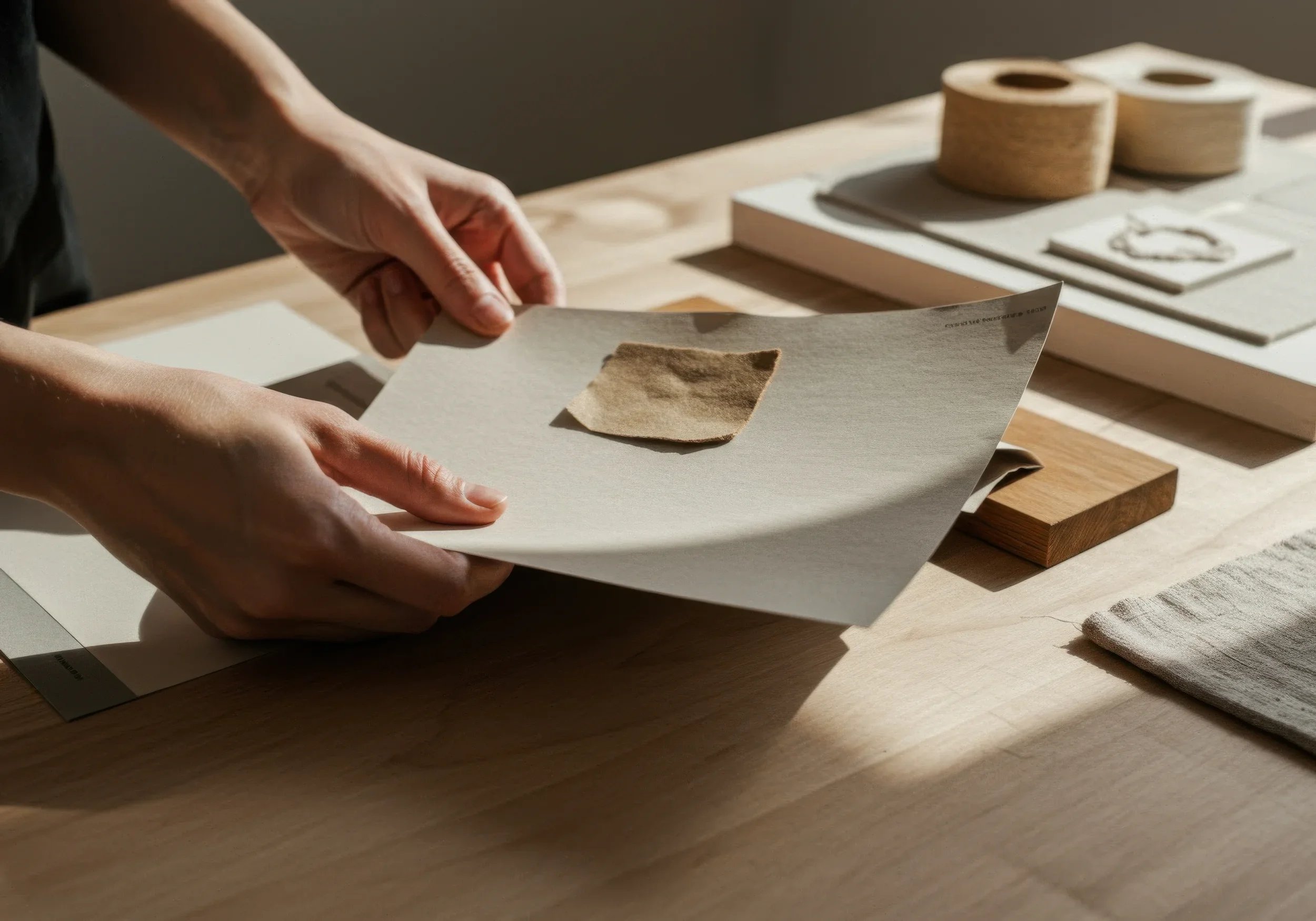
Developing sustainable building materials is at the top of our list of priorities. We hope to share our findings with you soon.
We want to automate the process of producing hydrogen gas and develop a pilot for a 500 kilowatt electrolyser.
More information to follow.
Developing our Living Lab concept.
With this project we hope to make clear that the structure on which we have organised our society has become unnecessary.
We only use your details to respond to your message or sign-up. Read our privacy policy.
Stichting SOLAR
Sustainable Off-grid Living-labs for Autonomy and Research
Pijnacker, the Netherlands
Chamber of Commerce (KvK) 42111679 · RSIN 869783786
contact@stichting.solar · +31 6 20 19 15 12
About · Projects · The SOLAR Archive · Volunteer · Donate · Transparency · Privacy · Cookies · Nederlands
Stichting SOLAR is a non-profit foundation registered in the Netherlands. It does not have ANBI status.
© 2026 Stichting SOLAR